
How Fly Fishing Builds Conservationists
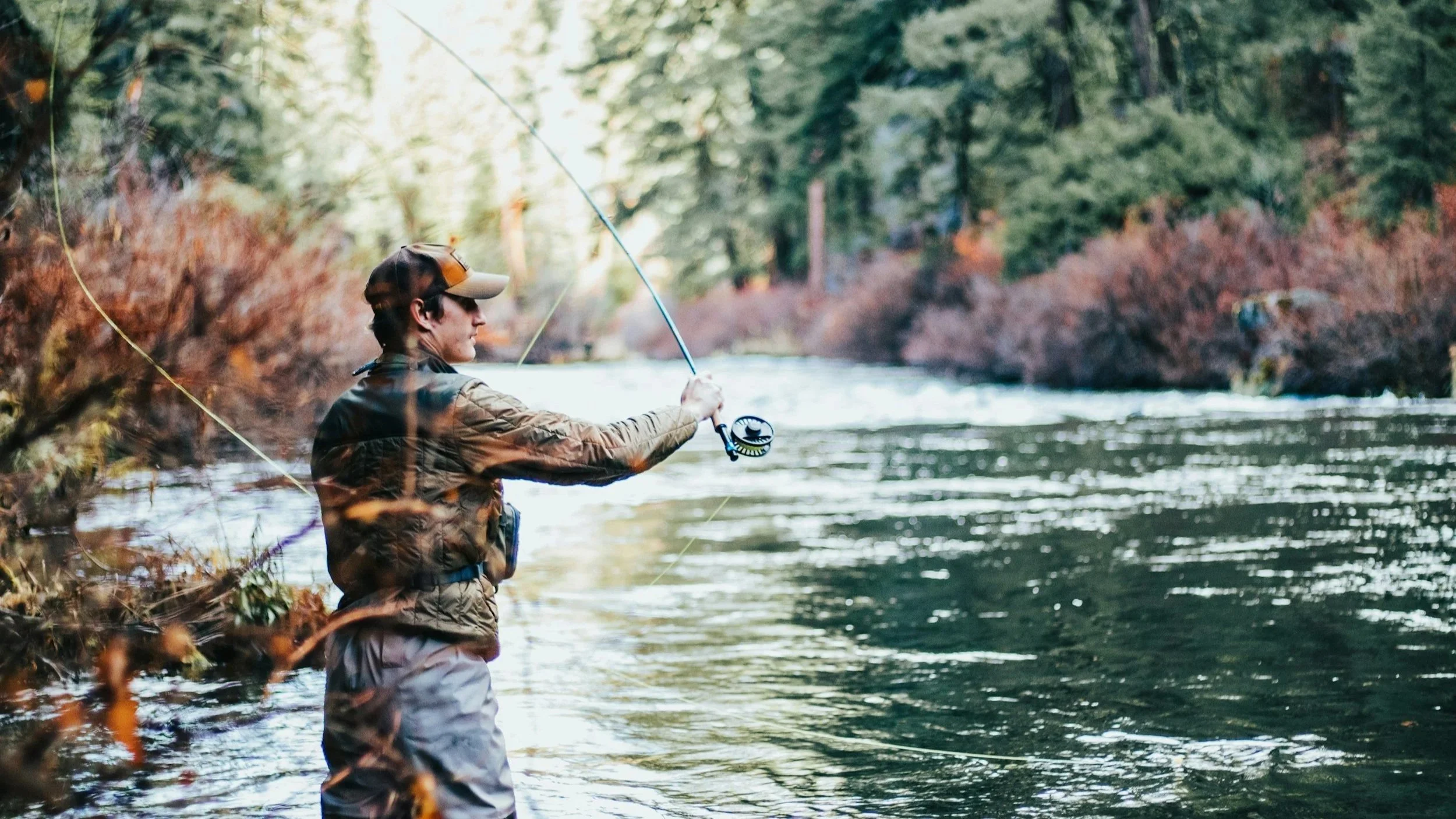
Fly fishing has grown into a community defined by close attention to rivers—and an equally strong commitment to protecting them.
For many, fishing is a simple pastime, a relaxing escape by the water. But for the dedicated fly fisher, the sport is much more than a hobby—it's a deep commitment to the environment and a way of life. Fly fishing demands a keen awareness of the surrounding ecosystem, transforming the angler into a mindful observer of nature's delicate balance. This unique involvement fosters a powerful sense of stewardship, driving a community dedicated not only to perfecting their technique but also to preserving the pristine waters they cherish.
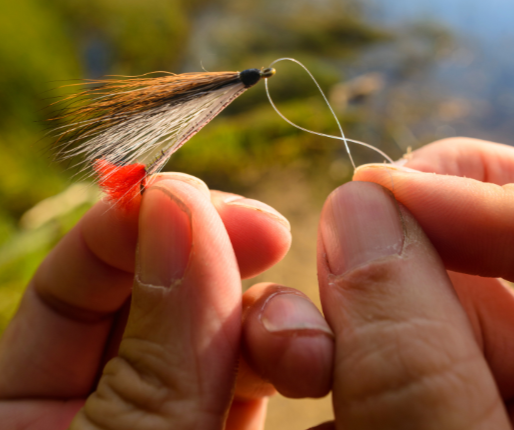
Fly fishing differs from conventional fishing in its equipment and technique. Unlike conventional fishing where the lure’s weight carries the line, fly fishers use a heavier line to cast a lighter artificial fly. Flies can be made using natural or synthetic materials and can have certain colors, patterns, and shapes to attract specific fish. Understanding the behaviors of the fish you’re trying to catch is an important skill in the sport. Paul Franklin, an Oregon-based fly fisher and a part of The Flyfisher Foundation’s board of directors, remarked,
“It’s an avocation no matter how good you are at it, you’re never going to be perfect. So it’s always a challenge and also requires not just doing, but also thinking about what you’re doing and being fully in touch with the environment you’re in. It’s looking at the water, looking at bugs, watching for fish to rise, seeing where they rise, trying to get a measure on where to cast in order to get the fly in front of the fish that’s rising.”
Fly fishers could spend a lifetime refining their technique.
When you’re that involved in an environment and its inhabitants, it’s difficult to not notice when certain aspects of that environment are disturbed. Non-native species may start to crop up more. Migratory fish may no longer reach their typical spawning grounds. Anglers will more than likely notice these changes. According to Franklin, fly fishermen tend to be “really conscious of and protective of the environment in which they fish. So you get natural advocates in fly fishermen for fisheries and for fish species.”
As a result of this deep connection to these freshwater ecosystems, numerous organizations have been created to address the variety of issues that threaten these environments. Fishing-focused nonprofits consistently base their efforts on being stewards of natural resources.
Despite the beautiful places and conservation spaces that fly fishing can offer people, it’s a sport that has experienced a recent challenge in participation. Many fishing clubs across the country have struggled to maintain or grow their membership. A variety of factors have contributed to this decline. Franklin notes that a major issue facing clubs is that the membership is aging out, and the generation coming up behind boomers "don't seem to be inclined to join as much."
Every generation differs, and factors like the pandemic have changed interests. Franklin believes the solution lies in adaptability:
"I think the big challenge is getting fly fishing clubs and organizations to think more broadly and figure out ways to embrace the upcoming generations that aren’t as interested in getting together as a group as much as my generation."
Exclusivity has been an issue over the years in many angling clubs that has prevented younger generations from feeling welcome or being encouraged to create angling communities of their own. With impending threats from climate change and other human-caused environmental destruction, environmentally-conscious communities are needed now more than ever.
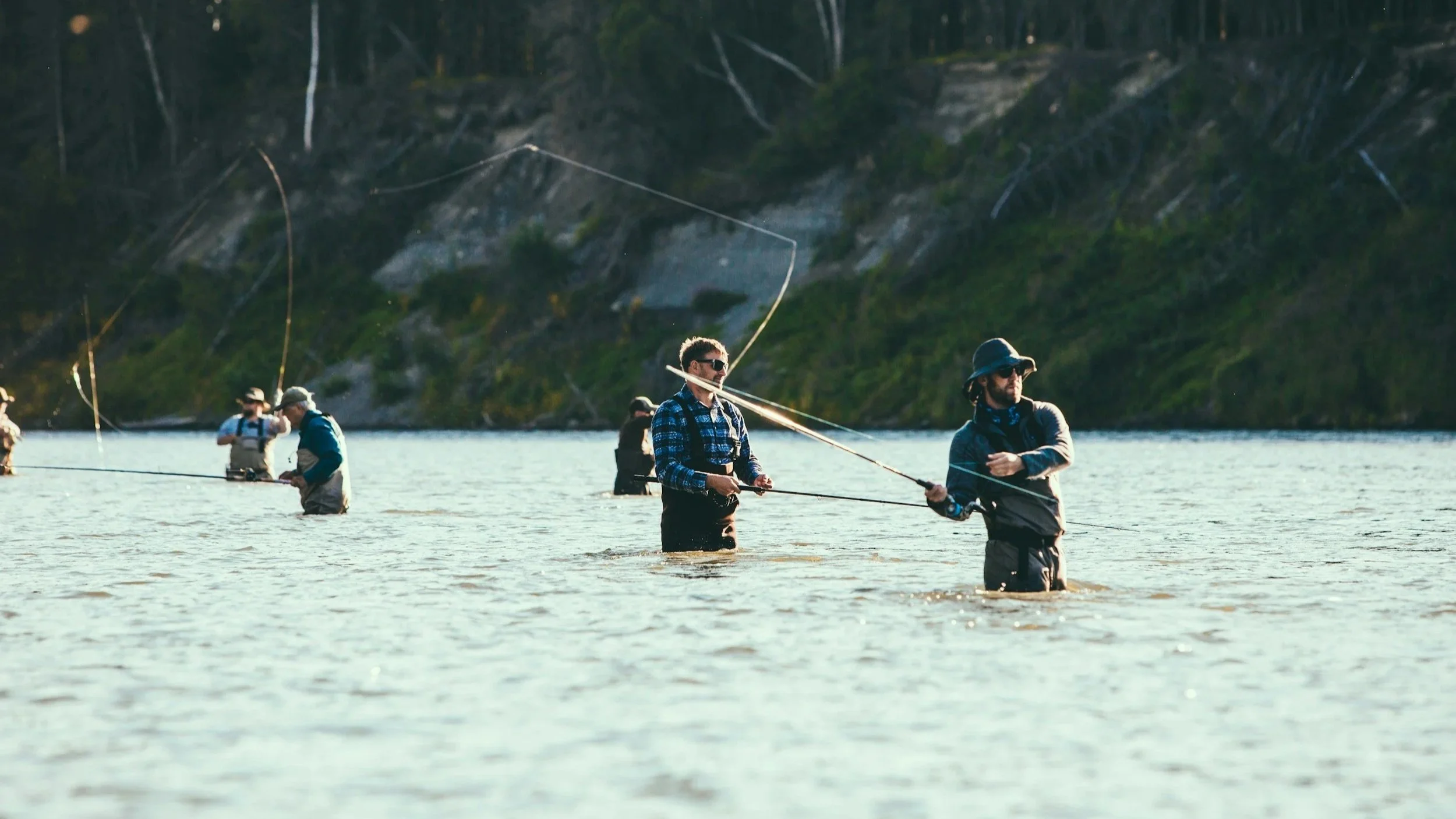
Outdoor recreationalists, for many years, have become powerful advocates and instruments in conservation. Their existing close relationship with and skills in the outdoors opens opportunities to steward, advocate for, and manage natural resources. For many, preserving fly fishing is synonymous with preserving the environment. Fly fishers could go on and on about the best parts of being an angler whether it be the time spent outside in beautiful places, being connected to the ecosystems they’re surrounded by, or feeling a deeper love and understanding for the life in these ecosystems. For Paul Franklin,
“I feel like I’m part of the effort to sustain fisheries and sustain the waters that fish live in.”
At a time when nature is constantly threatened by people, systems, and industries that have disconnected themselves and their practices from the environment, it’s more important than ever to not only protect these ecosystems, but also the people holding onto practices that keep them tuned into the inner workings and needs of them.
